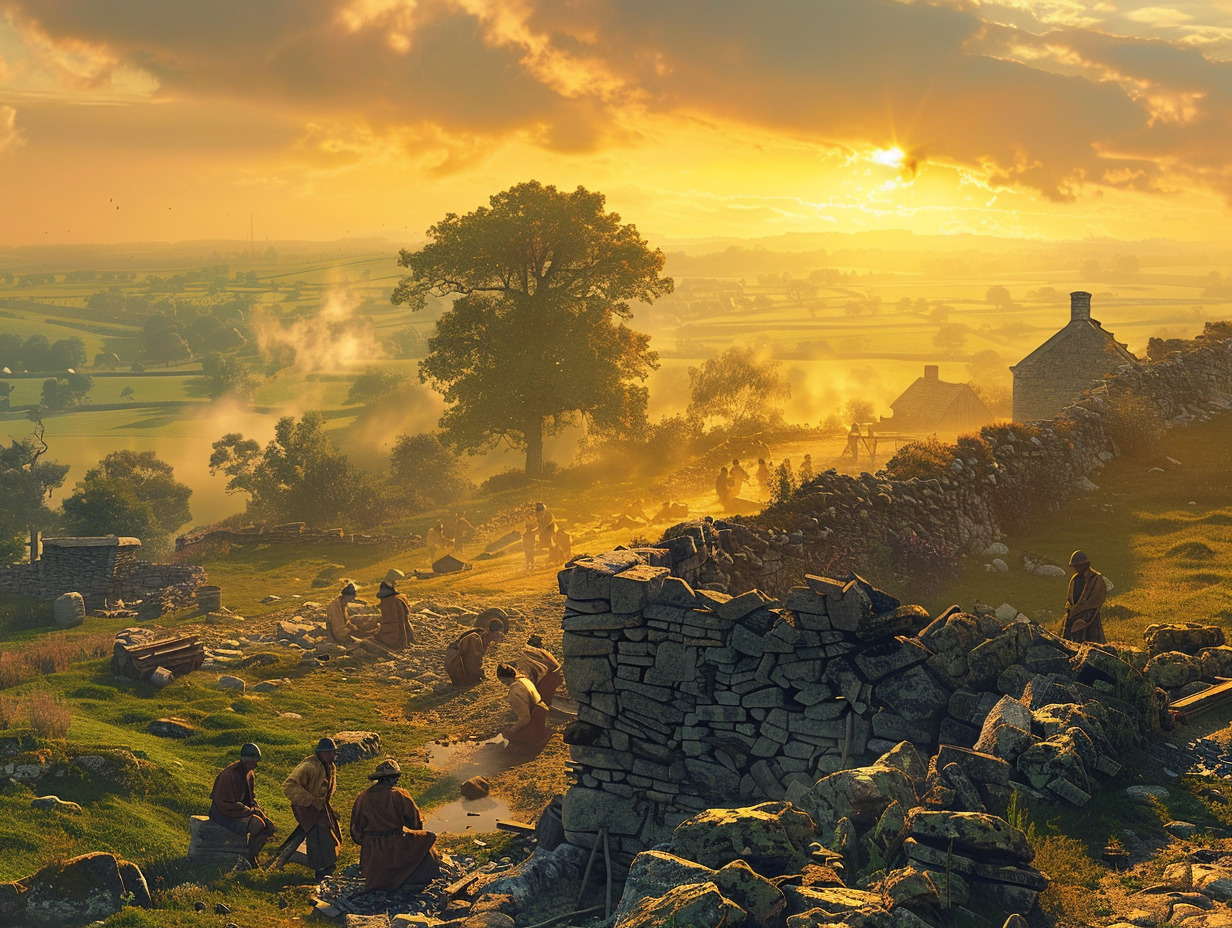
Across the world, the footprint of ancestors remains visible in construction methods that have endured through the centuries. From the dry stone walls of Southern Europe to the thatched roofs of Asia, these ancestral techniques continue to fascinate architects and builders. They represent not only a cultural heritage but also a source of inspiration for sustainable and ecological solutions suited to our time. Indeed, the resurgence of these traditional methods is often driven by their low environmental impact, durability, and climate efficiency—qualities sought after in modern construction that is mindful of the environment.
Longevity of Traditional Methods in Contemporary Construction
Building walls according to ancestral construction practices is not merely a nostalgia for bygone techniques. Vernacular architecture is now recognized for its intrinsic advantages in terms of sustainability and adaptation to the local climate. The wattle and daub house, for example, is aesthetically pleasing and durable, fitting into an environmentally respectful approach by using raw earth, an abundant and inexpensive natural resource. These habitats, built with millennia-old techniques, offer natural thermal regulation and harmonious integration into the landscape.
Organizations such as the Association La Voûte nubienne, which has completed over 4,000 projects in West Africa, actively promote the use of raw earth. They contribute to the revitalization of local know-how while providing accessible and ecological housing solutions. Meanwhile, Worofila Architecture, inspired by these houses of the past, builds differently by combining aesthetics and functionality, as evidenced by the work of Nicolas Rondet, the company’s architect, who dedicates his practice to preserving ancestral construction techniques.
The value of these traditional methods is so significant that they have caught the attention of UNESCO World Heritage, where some are listed, highlighting their universal relevance. The implementation of these living environments, rooted in the past, addresses contemporary challenges and inspires a new generation of builders. Taking these data into account, understanding their potential and adaptability is also working towards a future where sustainable development is not an option but a necessity deeply embedded in our construction practices.
Impact and Added Value of Ancestral Techniques in Modern Architecture
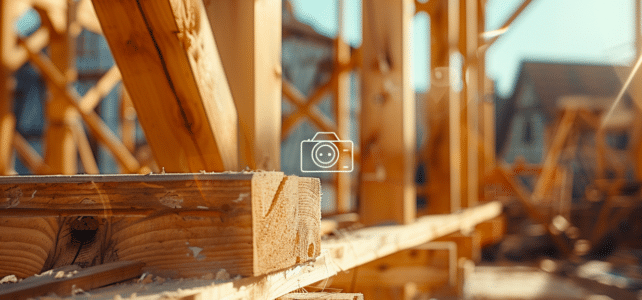
Let’s discuss the contribution of ancestral construction practices to sustainable development. These practices, ancestral by design, align with a logic of efficiency and minimization of ecological footprint. The use of local materials, such as earth, wood, or stone, not only preserves natural resources but also promotes constructive autonomy. The compressed earth block (CEB), for example, illustrates this synergy between tradition and innovation, offering quality insulation and proven robustness.
Ecoconstruction, whose very essence relies on the harmonious integration of habitat into its environment, greatly benefits from these age-old techniques. Renewable energies and bio-based materials resonate here, creating living environments that maintain a pleasant indoor temperature while significantly reducing ecological footprints. Modern builders, inspired by methods from the Middle Ages or Ancient Rome, are rediscovering the effectiveness of these techniques in the contemporary context.
The financial mechanism of carbon credits can prove to be an effective lever for promoting ecoconstruction. By incentivizing polluters to reduce their carbon footprint, this system encourages the adoption of environmentally friendly construction practices. This paves the way for a construction industry that not only respects world heritage but strengthens it through a minimized carbon footprint.
The reappropriation of ancestral construction techniques in modernity is not limited to a gesture of conservation. It is a revolution taking place, a revolution that marries the heritage of past centuries with the demands of the current era. Today’s builders, such as those from the Association La Voûte nubienne or Worofila Architecture, are thus shaping a future where habitat becomes synonymous with sustainability, aesthetics, and environmental ethics.