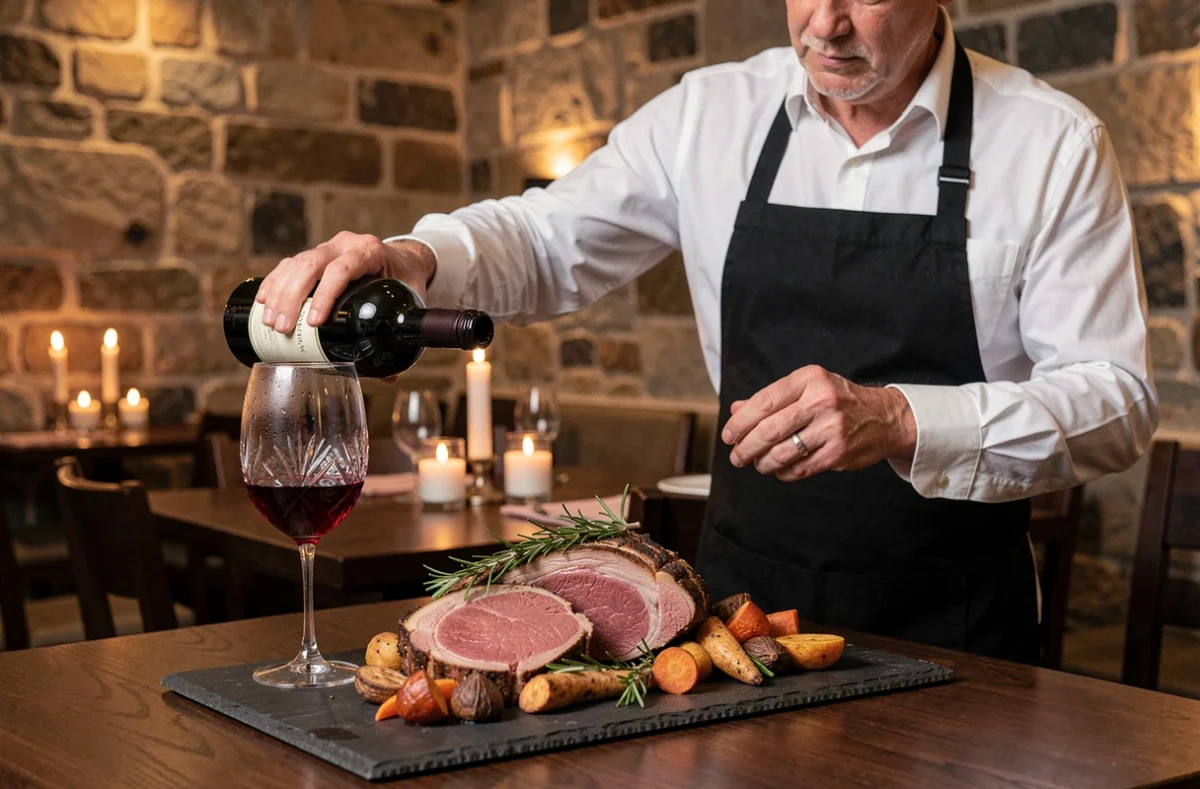
A food and wine pairing is based on a technical principle: matching the flavor intensity of a dish with that of a wine so that neither one overpowers the other. This balancing act involves three main factors (acidity, tannin structure and sweetness) and applies equally to red, white and sparkling wines, as well as alcohol-free wines.
Food and wine pairings for guests who don’t drink alcohol
Pairing guides almost always assume that everyone at the table drinks wine. In reality, a significant proportion of the population says they don’t drink alcohol, while other guests simply prefer to alternate.
Alcohol-free wine is one option, but the term is regulated. Regulations distinguish between alcohol-free wine (made from wine from which the alcohol has been removed through evaporation or osmosis) and a simple drink made with alcohol-free wine, which may contain added flavorings. Checking the label helps ensure you’re not serving a product that has little in common with the original wine.
For the same dish, offering one alcoholic option and one alcohol-free alternative means focusing on aromatic intensity rather than color. A classic dry white served with grilled fish could be matched with an alcohol-free white with predominantly floral notes, provided the acidity is comparable. The aim is for every guest to enjoy a balance between their dish and their drink, whatever the alcohol content in their glass.
To choose the right wines for your meals, considering both alcoholic and alcohol-free options makes it possible to put together an inclusive meal without sacrificing flavor harmony.
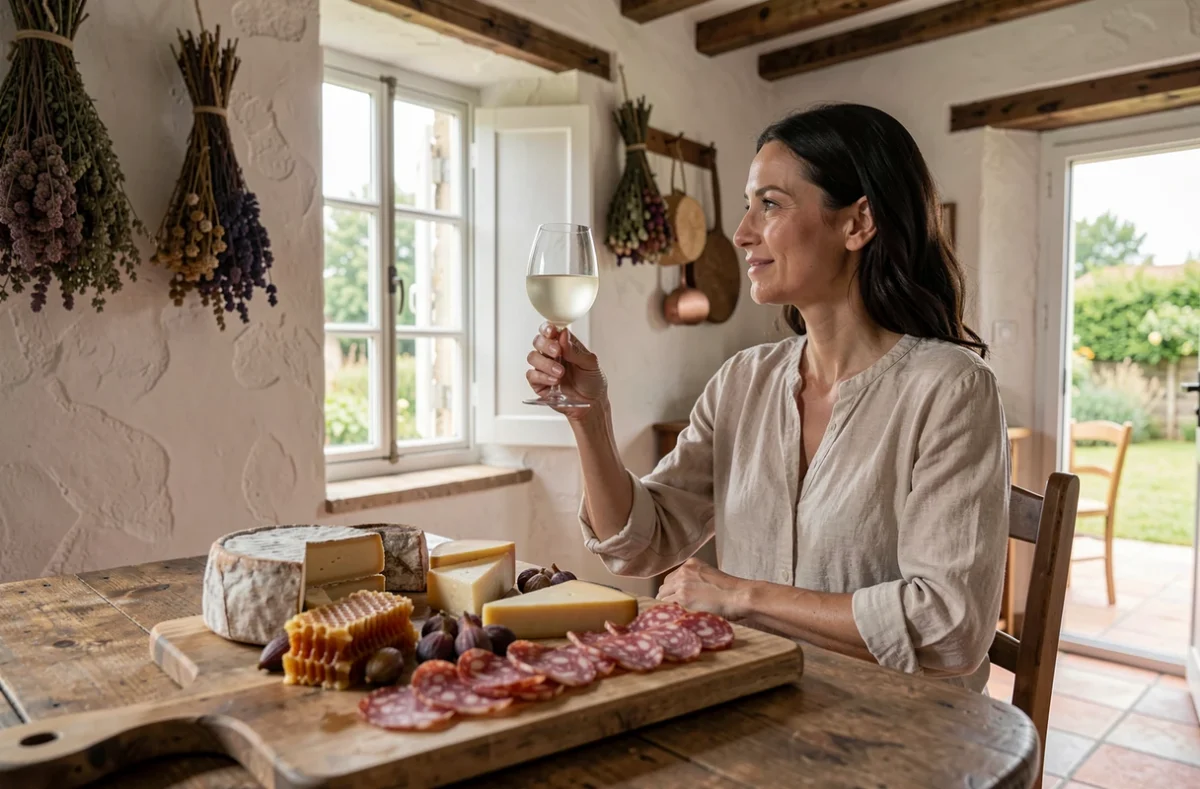
Red wine is losing ground: why white wine and sparkling wines are changing the way we pair food
In France, red wine sales are declining faster than white wine sales in supermarkets. This shift is changing the way we think about everyday pairings. A red meat dish, long instinctively paired with a full-bodied red, can sometimes work better with a characterful white, such as a slightly oaked Loire Chenin or a Burgundy white with good acidity.
Red wine is no longer the automatic choice for a meal. This shift encourages us to rethink pairings we used to repeat out of habit rather than for their flavor logic.
Sparkling wines are also becoming more popular in restaurants, beyond ceremonial occasions. Brut Champagne or Crémant pairs beautifully with fish, roast poultry or even soft cheese. The bubbles cleanse the palate between bites, making sparkling wines particularly well suited to meals with a variety of textures.
When to choose a sparkling wine over a still wine
- With fried or breaded dishes, the bubbles cut through the fat and bring out the flavors of the fish or vegetables
- With a mixed cheese board (fresh goat’s cheese, Comté, Brie), an Alsace Crémant has enough acidity to complement very different flavors without clashing
- As an alternative to a sweet white with a fruit dessert, a demi-sec Champagne adds freshness without making the end of the meal feel heavy
Dish intensity and wine structure: the key factor that matters more than color
The most reliable rule for food and wine pairing is neither the wine’s color nor the type of protein. It’s matching intensity. A delicate dish (sole meunière, scallop carpaccio) calls for a subtle wine. A robust dish (daube, game in sauce) needs a wine with body and tannins.
The intensity of the dish determines the intensity of the wine, not the other way around. Serving a wine that’s too light with a robust dish overwhelms the wine. Serving a wine that’s too powerful with a delicate dish overwhelms the food.
Assessing a dish’s intensity using three factors
The cooking method affects intensity just as much as the main ingredient. Poached chicken remains light, oven-roasted chicken with crispy skin is more intense, and chicken braised in a wine sauce becomes a hearty dish.
- The sauce: a cream sauce points to a rich white, while a red wine or brown stock sauce calls for a structured red
- Spices and herbs: a spicy dish (cumin, Sichuan pepper) calls for a fruity wine with a touch of sweetness to temper the heat on the palate
- Fat: a rich, fatty dish (confit, gratins) calls for a wine with enough acidity to balance its creamy texture

Acidity and tannins: two technical tools for fine-tuning a pairing
A wine’s acidity acts as a freshness enhancer. With a fatty or dairy-based dish, a wine with good acidity (Muscadet, dry Riesling, Chablis) refreshes the palate and prevents it from becoming overwhelmed. That’s why oysters call for a crisp white rather than a buttery one: the wine’s acidity enhances the shellfish’s salinity instead of masking it.
Tannins, found mainly in red wines, interact with protein and fat. With grilled red meat, tannins bind to the proteins and soften on the palate, making the wine taste rounder. With lean fish, those same tannins create an unpleasant metallic bitterness. This isn’t a matter of personal taste; it’s a chemical reaction.
The dish’s acidity also needs to be taken into account. A dish with vinaigrette or lemon reduces the perceived acidity of the wine, which can make a crisp white taste bland by comparison. In this case, a slightly richer or more aromatic wine works better than a very dry one.
Ultimately, creating a successful food and wine pairing comes down to a tasting habit: taste the dish, identify its dominant quality (fatty, acidic, spicy or delicate), then look for a wine characteristic that complements or balances it. The best pairing is the one that makes both the dish and the wine taste better together than they do on their own.