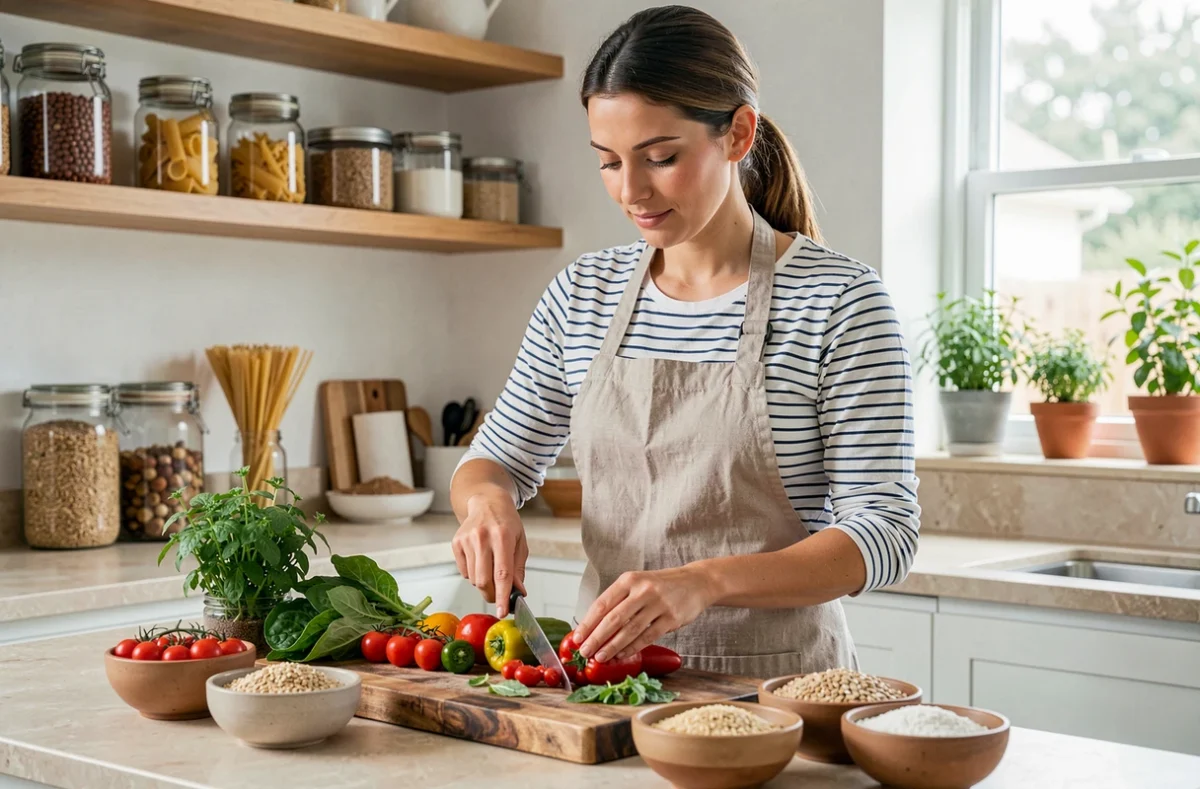
Cooking healthy every day is based on a simple technical principle: mastering the degree of transformation of ingredients. The closer an ingredient is to its raw state, the more its nutritional density is preserved. Starting with fresh or minimally processed products, combining flavors with appropriate cooking techniques, and limiting the addition of salt, sugar, and saturated fats forms the foundation of a cuisine that is both healthy and delicious.
Degree of transformation of ingredients: the true health indicator in cooking
The Nutri-Score, often cited as a benchmark, remains optional in France. Some brands have even removed it following changes in its calculation. To evaluate the quality of a home-cooked dish, this logo is not enough.
A more reliable method is to compare the ingredient list, the salt and sugar content, and the degree of transformation. A vegetable gratin made with whole cream and grated cheese remains nutritionally superior to an industrially prepared dish labeled Nutri-Score B, because the number of additives and the amount of added salt differ radically.
In practical terms, favoring dried legumes (lentils, chickpeas) over their canned, salted versions, or sourdough whole grain bread instead of industrial sandwich bread, reduces sodium and hidden sugar content without sacrificing convenience. Recipes offered on Mimi La Cocotte illustrate this approach well, relying on simply assembled raw ingredients.
Easy recipes from leftovers and greens: cooking to reduce waste
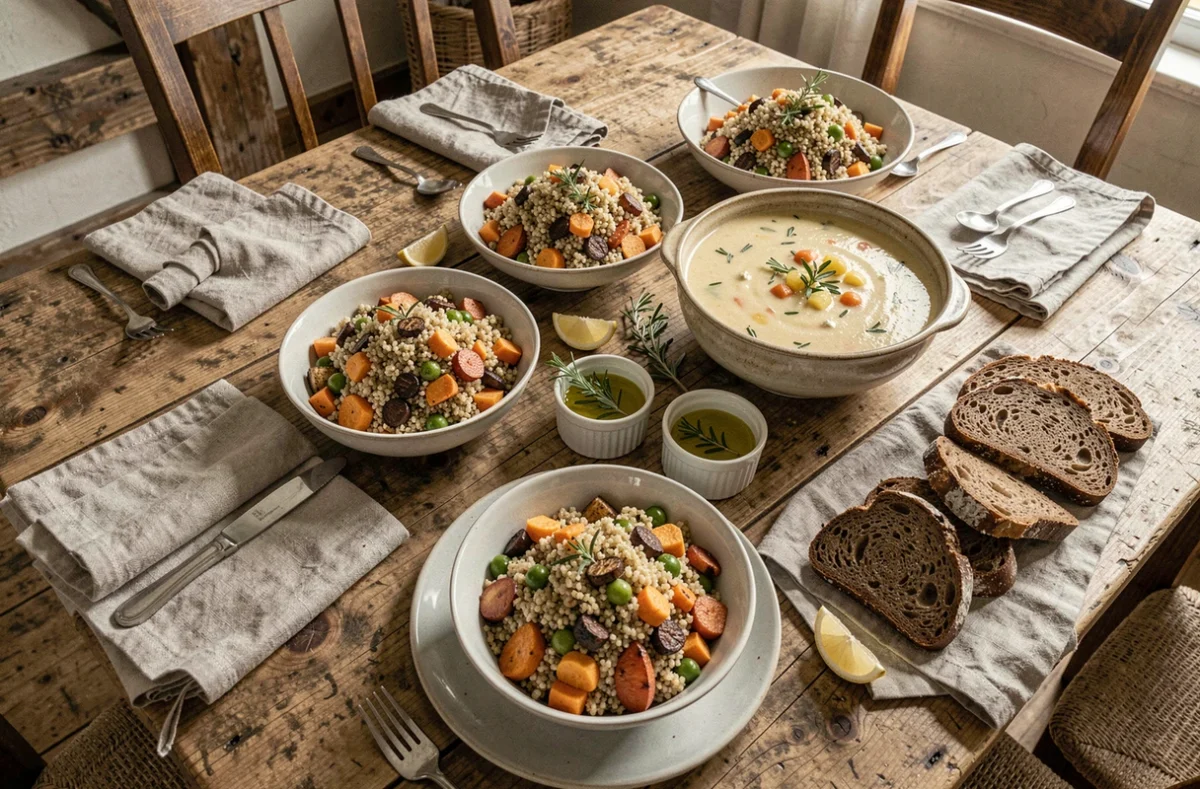
Food waste at home remains a rarely addressed angle in online recipes. A significant portion of household waste comes from foods close to their expiration date or parts that are usually discarded (greens, peels, stale bread).
Transforming leftovers into complete meals prevents waste and reduces grocery budgets. Three concrete examples work particularly well on a daily basis:
- Radish or carrot greens, blended with garlic, sunflower seeds, and a drizzle of olive oil, create a vegetable pesto that complements whole grain pasta in under ten minutes.
- Stale bread soaked in a mixture of beaten eggs, milk, and a bit of cinnamon, then pan-fried, produces a nourishing breakfast without buying anything extra.
- Slightly wilted vegetables (soft zucchini, wrinkled tomatoes, shriveled peppers) are perfect for a baked gratin: cut into pieces, topped with grated cheese and herbs, they become a tasty family dish.
This logic of preservation and reuse transforms refrigerator management into a source of recipes, not a chore.
Low-temperature cooking and gentle steaming: preserving nutrients without fats
The cooking method influences nutritional quality as much as the choice of ingredients. At high temperatures, water-soluble vitamins (B, C) degrade quickly, and added fats to prevent sticking increase the caloric density of the dish.
Steaming preserves the majority of micronutrients while eliminating the need for fats. A steaming basket placed over a pot of water is sufficient: no need for expensive equipment. Vegetables retain their crunch and color, making the dish visually more appealing.
For proteins, cooking in parchment in the oven works on the same principle. A fillet of fish placed on a bed of sliced vegetables, drizzled with lemon juice and wrapped in parchment paper, cooks in its own steam. The result is tender, flavorful, and preparation takes less than fifteen minutes.
Pan-frying is still possible without excess: a teaspoon of olive oil per person is enough if the pan is well heated before adding the ingredients. The trick is not to stir too quickly to achieve a slight caramelization that adds flavor without butter.
Seasoning without salt: spices, herbs, and acids as natural enhancers
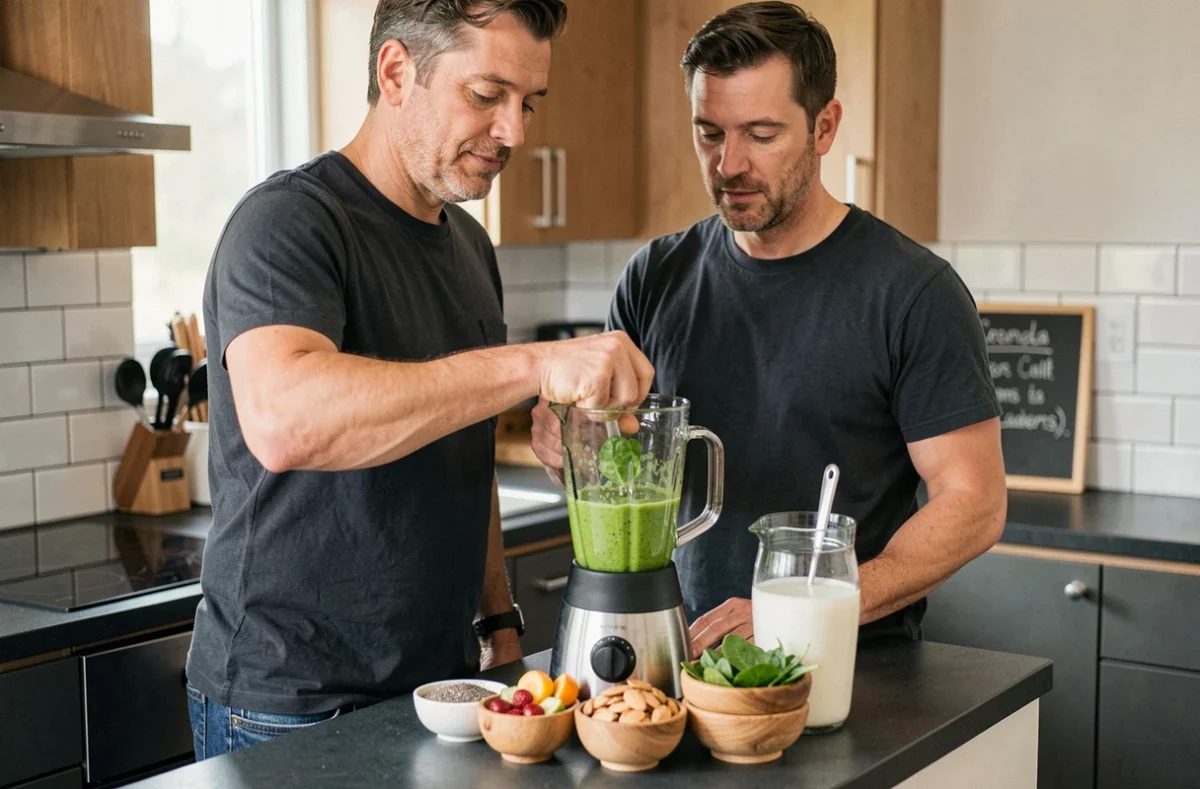
Salt is the first reflex to enhance a dish, but excessive sodium consumption is among the most documented public health risk factors. Reducing salt does not mean eating bland food if compensated with other flavor enhancers.
Three families of seasonings effectively replace salt:
- Warm spices (cumin, smoked paprika, turmeric) add depth to legumes and vegetable gratins. Half a teaspoon of cumin in a lentil soup radically changes the aromatic profile.
- Fresh herbs (cilantro, basil, flat-leaf parsley) added at the end of cooking retain their volatile aromas and give a bright character to the dish.
- Acids (lemon juice, apple cider vinegar, tomatoes) stimulate the taste buds in the same way as salt, activating flavor perception. A drizzle of lemon on steamed fish or an apple cider vinaigrette on a quinoa salad is enough to make the dish complete and satisfying.
The combination of a spice, an herb, and an acid in the same dish creates a flavor balance that makes salt unnecessary. This principle works equally well on a simple bowl of whole grain rice topped with sautéed vegetables as on a more elaborate recipe.
Planning weekly meals without a rigid menu
Foodwatch emphasizes that cooking more requires time, equipment, and suitable ingredients. Rather than a fixed menu from Monday to Sunday, an ingredient block approach works better on a daily basis.
The principle: prepare two or three versatile bases (a cooked grain, a legume, a batch of roasted vegetables) at the beginning of the week and assemble them differently each evening. Brown rice cooked on Sunday becomes a meal bowl on Monday, a vegetable stir-fry on Tuesday, and a filling for peppers on Wednesday.
This method reduces daily preparation time to less than fifteen minutes while varying dishes. It also limits waste since each prepared ingredient finds multiple uses throughout the week, instead of being forgotten in the refrigerator.
The absence of an oven does not hinder this organization: a baking sheet and a pot are already sufficient to make most of the recipes described here, from pasta to legumes to stir-fries.
One last point rarely mentioned: freezing excess portions on the same day of preparation, rather than after several days in the refrigerator, preserves both taste quality and food safety. This simple reflex transforms each cooking session into a stock of ready meals for tired evenings.