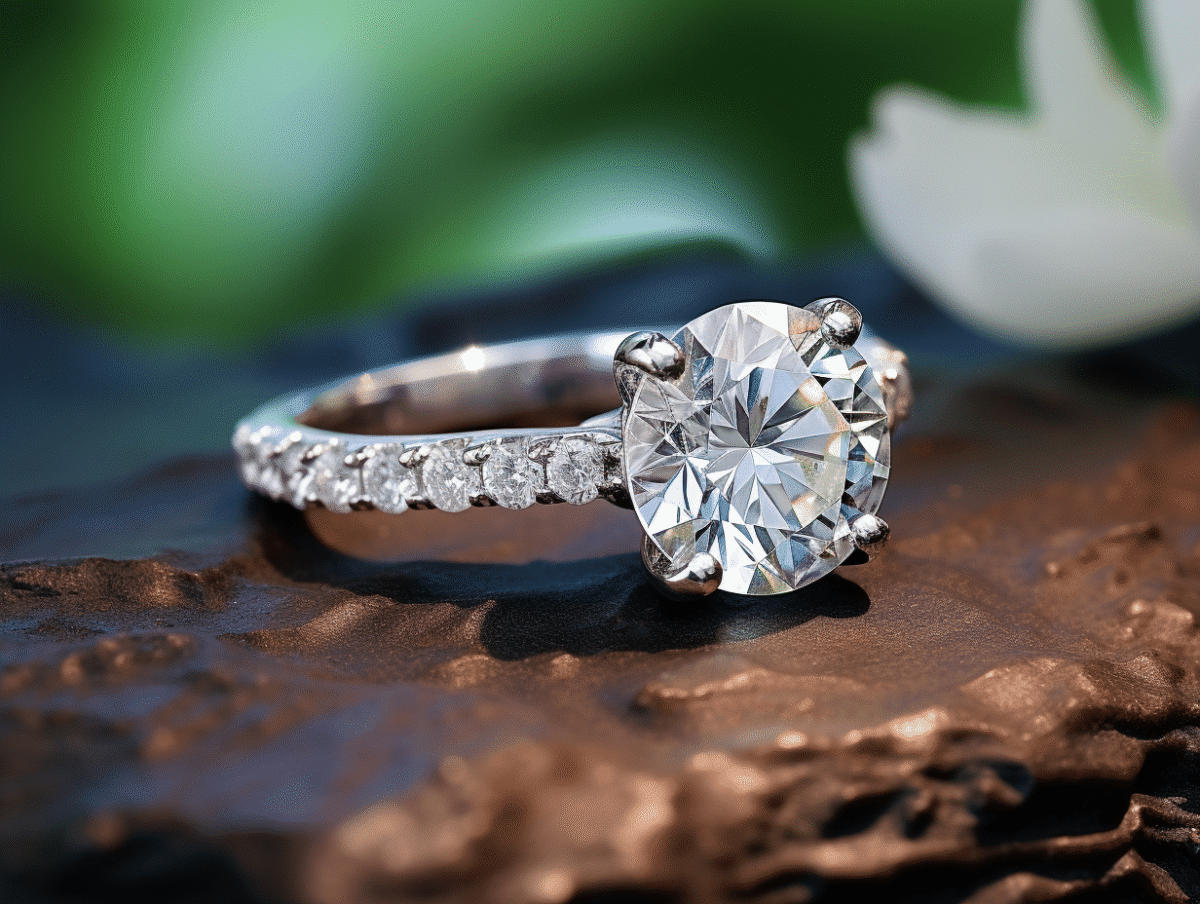
Engagement is a unique moment, symbolized by the exchange of a solitaire ring that seals a promise of a shared future. At the heart of this tradition, the selection of the ideal metal for the engagement ring is crucial. This choice reflects not only aesthetic preferences but also the durability and sentimental value of this jewel. Yellow gold, white gold, platinum, or palladium, each option has its characteristics and symbolism, influencing the brilliance of the diamond and the ring’s resistance over time. Sound advice is essential to guide future fiancés toward the metal that will suit them best.
Essential criteria for choosing the metal of a solitaire ring
Selecting the metal for an engagement ring is not a decision to be taken lightly. The choice of metal reflects not only the desired aesthetic but also the longevity of the ring. 18-karat gold, with its 75% yellow gold content, ensures certain quality and durability, and can be available in several colors thanks to various alloys.
Platinum stands out for its brilliant white color, rarity, and density. As a hypoallergenic material, consider it well for an engagement ring intended to be worn daily.
Regarding gold, it is important to note that white gold can yellow over time, requiring periodic rhodium plating to maintain its shine. Yellow gold, a symbol of purity and wealth, retains its brilliant color without alteration, while rose gold, currently in vogue, offers a touch of modernity while maintaining the quality and durability attributed to 18-karat gold.
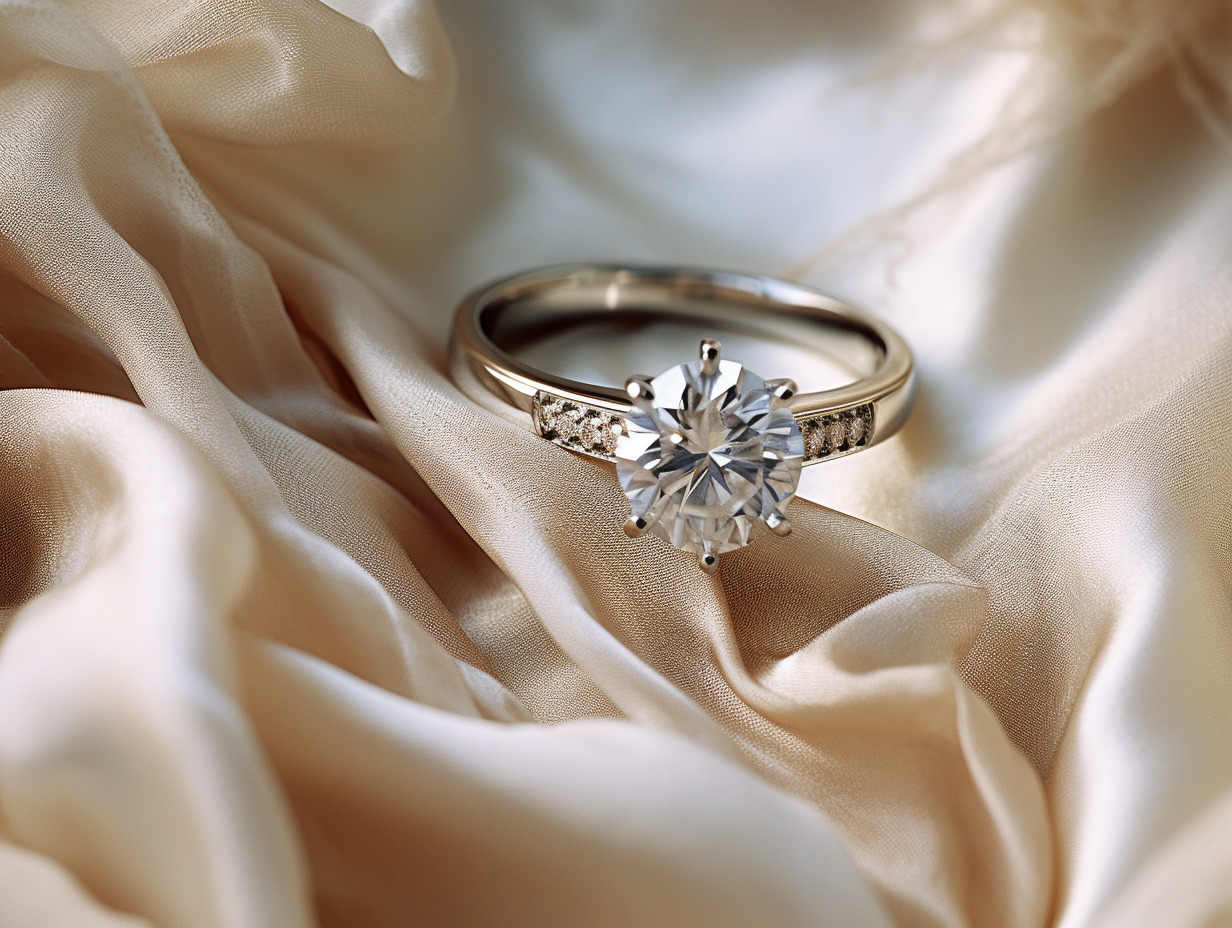
How the type of metal influences the style and durability of your engagement ring
The style of an engagement ring embodies an intimate promise, a unique visual language that should endure over time. Choosing the right metal is therefore decisive. 18-karat gold, with its various shades of yellow, white, or rose, offers a rich palette for personalizing the jewelry. These different hues enhance the central stone while harmonizing with each person’s personal preferences.
Platinum, with its distinctive white hue, conveys an impression of solidity and unparalleled elegance. Its density and rarity make it a preferred choice for those looking to combine style with an unchanging character. Gemmyo also emphasizes that platinum is 50% rarer than gold, thus offering a certain exclusivity to the engagement ring.
When it comes to durability, platinum and 18-karat gold stand out clearly. While platinum is prized for its ability to resist wear, 18-karat gold defends itself with its robustness and the longevity of its colors, particularly yellow gold, which never tarnishes. White gold, although sought after for its resemblance to platinum, may require ongoing maintenance to retain its original brilliance.
On the other hand, silver is often excluded from choices for an engagement ring due to its lower resistance to oxidation and reduced durability. This tendency to tarnish over time can compromise the longevity of the ring, which is why Gemmyo and other renowned jewelers advise against its use for such a significant commitment as engagement.