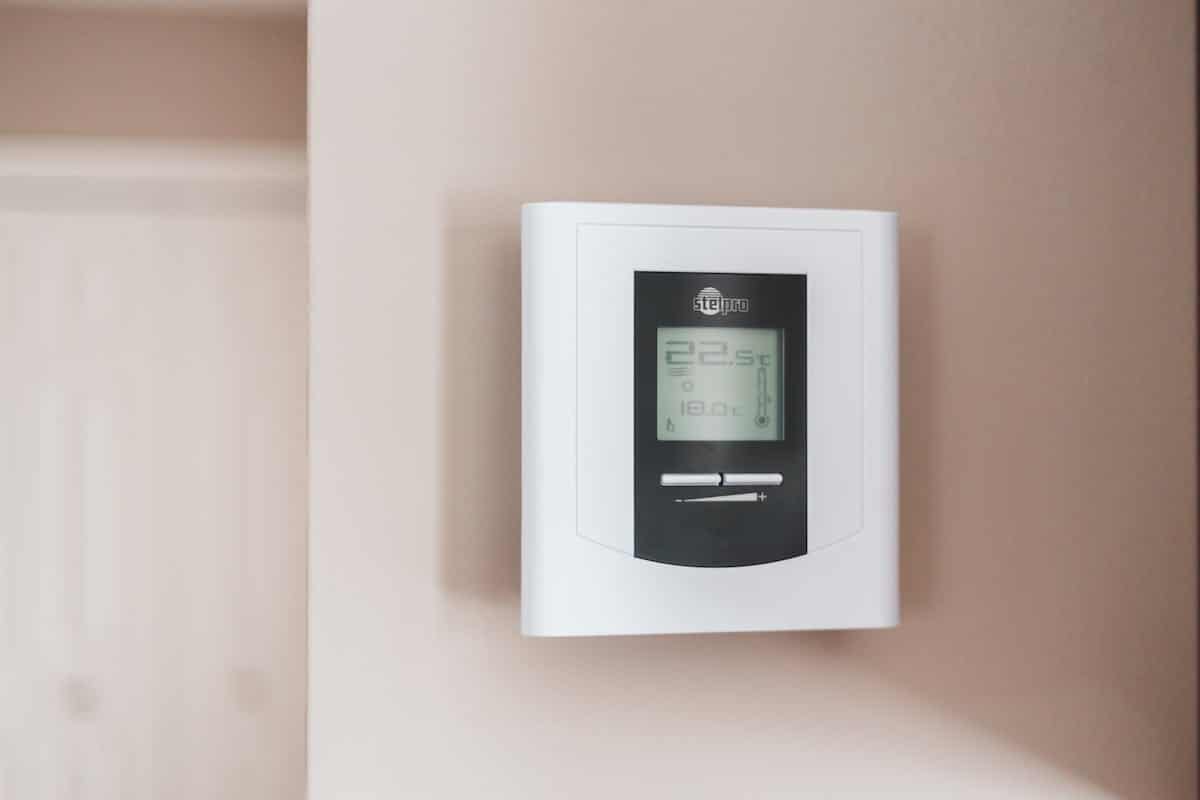
By adjusting the thermostat in your home, you have likely noticed the numbers 1, 2, and 3. You may be wondering what these figures correspond to in terms of degrees Celsius. With the emergence of new temperature regulations, this equivalence becomes crucial for maintaining optimal comfort while optimizing energy efficiency. To help users better understand this system, thermodynamics experts have developed a simplified guide to connect these numbers to a specific temperature in degrees. The challenge is to demystify these figures for the general public.
Temperature Regulation: A Crucial Importance
The specifics of thermostats 1, 2, and 3 vary depending on their design and capabilities to regulate temperature.
Thermostat 1 is often the most basic, with a single predefined temperature range. It generally offers a ‘heating’ option and a ‘cooling’ option, allowing users to simply select one or the other based on their seasonal needs.
In contrast, thermostat 2 offers more customizable options. It can provide multiple time slots for different times of the day. For example, it can be programmed to maintain a lower temperature during hours when you are typically away and gradually increase the temperature before your return.
As for the thermostat 3, it is the most technologically advanced model. It features Wi-Fi connectivity that allows it to be controlled remotely via a smartphone or tablet. It often has built-in sensors that can detect human presence in a room to automatically adjust the temperature accordingly.
Thermostats: What Degree Differences
The advantages and disadvantages vary depending on the type of thermostat. Thermostat 1, while it may have a larger margin of error, has the advantage of being easy to use and less expensive. You need to adapt your heating or cooling system.
On the other hand, thermostat 2, thanks to its increased accuracy, offers finer control over the ambient temperature. This not only improves indoor comfort by precisely adjusting the desired temperature but also allows for energy savings by avoiding excessive fluctuations.
As for thermostat 3, it is the high-end model offering advanced features such as customized programming, Wi-Fi connectivity for remote control, and even built-in sensors to optimize energy use. These additional features can be very convenient for those seeking advanced indoor climate management and wanting to benefit from the latest technological innovations.
You must consider some potential drawbacks. More complex thermostats like thermostat 3 may require professional installation or take more time to familiarize yourself with all their features. They are generally more expensive than basic or intermediate models.
The choice of thermostat depends on the individual needs and preferences of each user. You should consider not only the advantages and disadvantages but also your budget and expectations regarding features to make an informed choice.
Advantages and Disadvantages of Thermostats: The Comparison
Now that we have explored the features of different types of thermostats, it is time to guide you in choosing the model that will best meet your needs. Here are some key elements to consider for making an informed choice:
Evaluate your priorities: Before starting your search, think about the essential features for you. Do you want increased accuracy in temperature regulation, or are you more interested in advanced options like customized programming and Wi-Fi connectivity? By identifying your preferences, you can narrow down your selection.
Available budget: Set a realistic budget for purchasing a thermostat. Basic models are generally cheaper, while high-end thermostats can represent a more significant investment. Be sure to include potential costs for professional installation if necessary.
Compatibility with your HVAC system: Check the compatibility of the thermostat with your existing system (heating, ventilation, and air conditioning). Some systems require specific thermostats to ensure proper functioning.
Ease of use: If you are not familiar with complex technologies, opt for a model that is easy to use and easily understandable thanks to its intuitive interface.
Choosing Your Thermostat Wisely: Practical Tips
The alternatives to thermostat temperature regulation are numerous and offer innovative solutions to optimize the thermal comfort of your home. Here are some interesting options to consider:
Smart thermostats: These internet-connected devices allow you to easily control the temperature of your home from anywhere, thanks to a dedicated mobile app. They also offer advanced features such as machine learning of your preferences, energy consumption reports, and even integration with other smart home systems.
Presence sensors: Instead of regulating temperature based solely on the central thermostat, presence sensors detect movement in different rooms to adjust heating or cooling accordingly. This optimizes energy use by only heating or cooling areas that are actually occupied.
Zoned systems: If you want precise control over each specific area of your home, opt for a zoned system that uses multiple independent thermostats connected to a central unit. This way, you can individually adjust the temperature in each room according to your needs and habits.
Integrated home automation: In a smart home, all devices are interconnected to create an automated and customizable environment based on your previously mentioned personal preferences. By using apps or virtual assistants like Alexa or Google Home, you can control not only the temperature but also the lighting, blinds, and many other elements for a more comfortable living experience.
Solar energy systems: If you want to be more environmentally friendly while saving on your electricity bills, consider a heating or cooling system powered by solar energy. These systems use solar panels to generate electricity and power your HVAC system, thereby reducing your carbon footprint.
You should note that before opting for an alternative to traditional thermostat regulation, you should consult a qualified professional who can assess the specific needs of your home and recommend the best solution based on the context.
Beyond Thermostats: Alternatives to Temperature Regulation
In this section, we will discuss the various methods of temperature regulation that have developed over time. These methods allow users to choose the level of thermal comfort desired in their environment.
Let’s talk about traditional thermostats. These devices have a dial or button to manually adjust the temperature. They offer simplicity of use but do not always allow for precise and consistent control of the ambient temperature.
There are programmable thermostats. These give users the ability to program specific time slots with predefined temperatures for each period of the day. For example, you can set a lower temperature while you are away and increase it before you return home. This allows for energy savings by avoiding excessive heating or cooling when no one is present.
Smart thermostats are another popular option on the market today. They integrate advanced features such as machine learning and artificial intelligence to adapt to individual preferences and optimize energy performance. These internet-connected devices can also be controlled remotely via a mobile app, providing total control even when you are not at home.
Another emerging technology is that of wireless sensor thermostats distributed in different areas of your home to have independent temperature control in each room. With this approach, you can adjust the temperature according to the specific needs of each space, allowing for further energy savings by only heating or cooling the areas in use.
It is also worth mentioning the use of automatic regulation systems based on advanced sensors that measure humidity levels or analyze weather variations to automatically adjust the operation of the HVAC system.