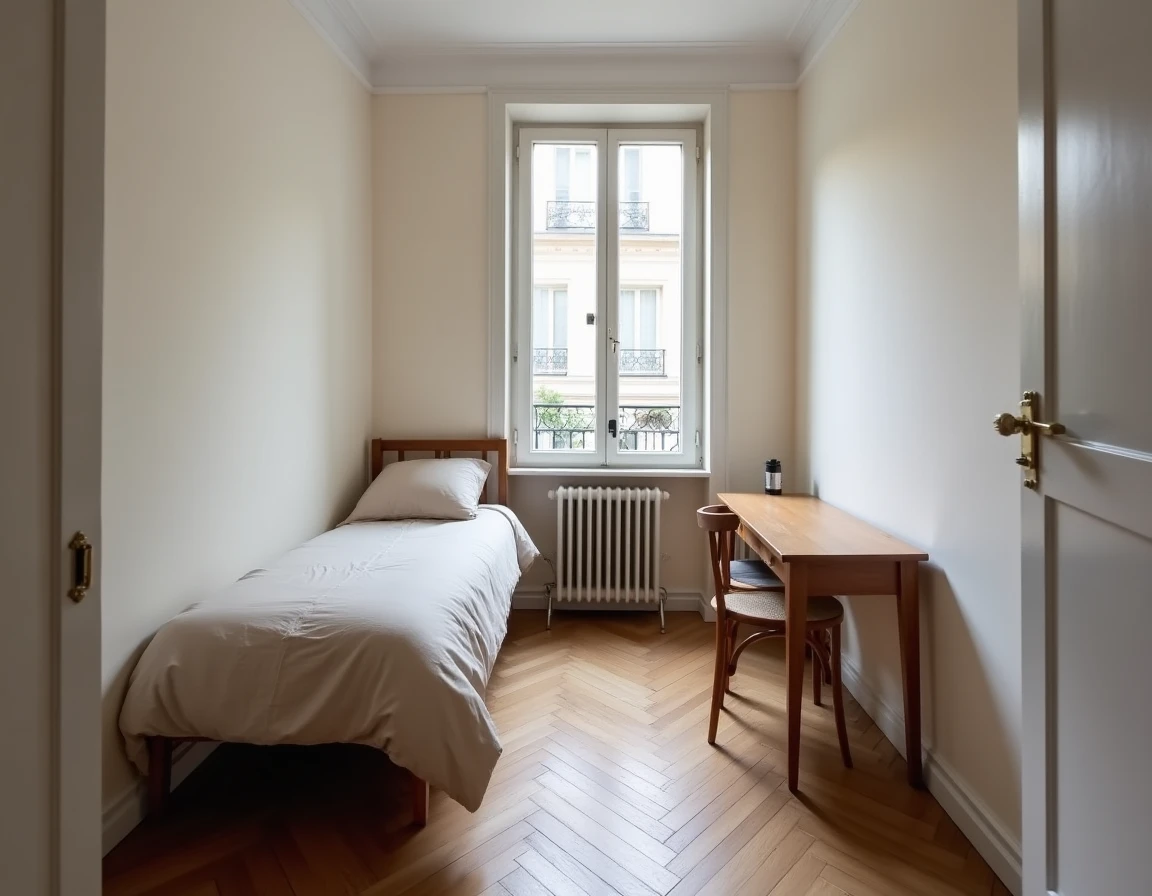
The threshold of 9 m² does not apply to bedrooms. It targets the main room of a rental property, according to decree n° 2002-120 of January 30, 2002. Confusion persists because most mainstream articles conflate the main room and bedroom, whereas these two concepts are governed by distinct texts with different legal consequences.
Legal qualification of the room and applicable surface threshold
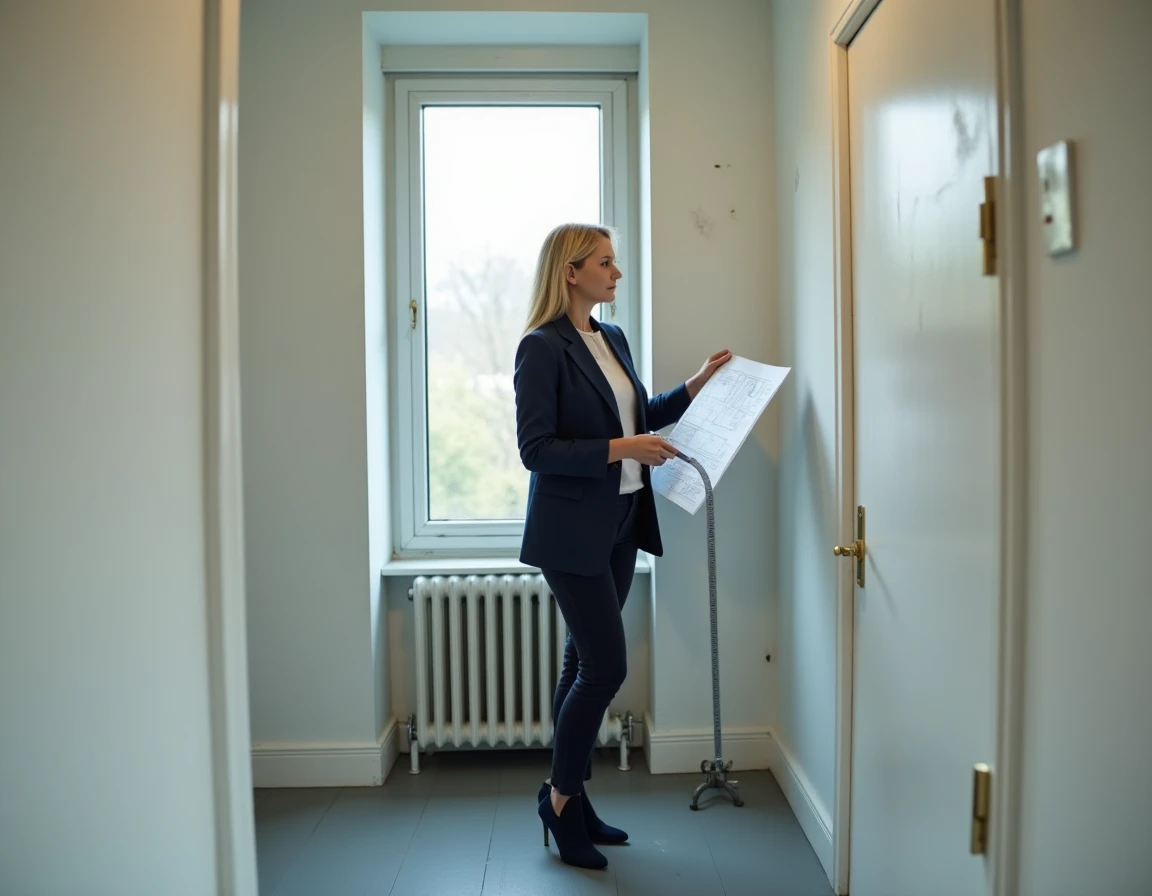
The decent housing decree requires that a property has at least one main room offering 9 m² minimum or 20 m³ of habitable volume. This criterion only concerns the main room, not each bedroom in an apartment.
A secondary bedroom in a T3 or T4 can therefore be less than 9 m² without the property losing its decent character. The main room (living room or single living area) remains the only point of control under the decree.
However, if a bedroom is rented alone (maid’s room, autonomous studio-type accommodation), it becomes the main room of the lease itself. The threshold of 9 m² then fully applies.
The difficulty lies in this qualification: the same 8 m² room can be compliant in a three-room apartment, and non-compliant if it constitutes the only room in an autonomous lease. To delve deeper into the regulation of rooms under 9m², this distinction between main room and secondary room is the starting point.
Departmental health regulations: the forgotten threshold of 7 m²

The decent housing decree is not the only applicable text. Secondary rooms fall under the departmental health regulations (RSD), whose requirements vary by department. We observe that this text is systematically overlooked in current real estate analyses.
Many RSDs set a threshold around 7 m² for living spaces other than the main room. This threshold is generally accompanied by a ceiling height requirement. A 6 m² bedroom in a rental property can therefore pose a problem not under the decent housing decree, but under the local RSD.
We recommend systematically checking the RSD of the relevant department before any rental or division of housing. The text can be consulted at the prefecture or on the municipality’s website. Requirements are not uniform across the territory, and a compliant setup in Paris may be non-compliant in Montpellier.
Housing division and municipal control: where the risk concentrates
It is in division operations that the question of surface area becomes critical. Splitting a large apartment into several rental units implies that each unit becomes an autonomous housing unit under the lease. Each main room of each unit must then meet the threshold of 9 m² and a height of 2.20 m.
A landlord who converts a T4 into four studios creates four distinct housing units. If one of these studios has only an 8 m² room, the housing is legally indecent from the signing of the lease. The tenant can take legal action, and the CAF can suspend housing assistance payments.
Municipal controls specifically target these configurations. Municipalities have special housing police powers that allow them to verify the compliance of units resulting from divisions. Sanctions range from a notice to carry out works to a prohibition on renting.
- Division into autonomous units: each unit must meet the decency criteria, including the 9 m² threshold for the main room
- Shared accommodation with a single lease: the housing is assessed as a whole, individual rooms are not subject to the 9 m² threshold of the decent housing decree
- Furnished tourist rental: the decency rules of decree 2002-120 do not apply directly, but the RSD and urban planning regulations remain enforceable
- Room in a host’s home: the rented room is not an autonomous housing unit, the decent housing decree does not apply, only the RSD can set a minimum surface area
Carrez law, habitable surface area, and lease: three measures not to be confused
The Carrez surface area applies to sales in co-ownership. It has no legal link to the decency criteria of a lease. A Carrez room of 7 m² can appear in a sales deed without difficulty. This same room can pose a problem if it is then rented as autonomous housing.
The habitable surface area, defined by the building code, serves as a reference for the residential lease. It excludes areas with a height of less than 1.80 m. A landlord who states 9 m² in their lease must ensure that this area corresponds to the habitable surface area, not the gross floor area.
The distinction between these measures generates recurring disputes. An attic studio may display 12 m² on the floor but only 8 m² of habitable surface area once low areas are excluded. In this case, the housing does not meet the decency threshold despite appearing compliant.
Residential lease versus rental application file: two readings of the same room
An ongoing lease on a property where a secondary room is less than 9 m² does not pose a decency issue if the main room of the property meets the threshold. The tenant cannot invoke the decent housing decree to contest the size of a secondary room.
The situation changes when a rental application file is submitted for a rental permit, a system that more and more municipalities are adopting. The processing of the file can intersect the decent housing decree with the RSD and local urban planning regulations. A 6 m² room in otherwise compliant housing can trigger a request for justification or a refusal if the local RSD sets a higher minimum.
The risk is therefore not only legal in terms of the lease. It is also administrative, at the time of renting or renewing a rental permit. The legal qualification of the room determines the applicable text, and this qualification can change depending on whether one is in regular rental management, division, or municipal control.